Cue the Theremin: The Underrated Hunt for Astro Boy on Vinyl and Tape
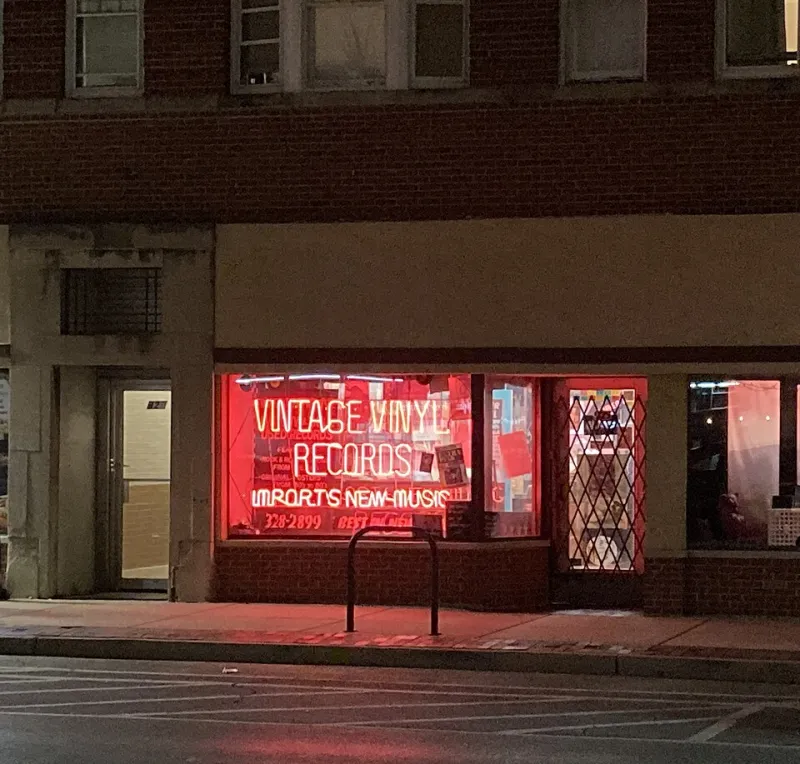
Photo: Nick Number, CC BY 4.0, via Wikimedia Commons
Most Astro Boy collections begin with a toy, a manga volume, or a cel. The audio shelf usually comes later — if it comes at all. That is a shame, because Astro Boy’s music is one of the most transportive corners of retro anime collecting. A scratchy theme-song single can put you back in front of a Saturday-morning TV faster than any framed print. The problem is that the audio category is poorly documented, lightly faked, and full of listings that use the word rare like it is a personality. So here is a practical, US-friendly way to start hunting in 2026 without paying collector prices for a mystery CD-R.
The Shelf Nobody Photographs
Vinyl and tape collectors love a visible object: a tin robot, a boxed VHS, a faded sticker. Records and cassettes do not photograph as well in a crowded display case, and they demand equipment. That is exactly why Astro Boy audio still feels under-explored. The market is smaller, the reference material is thinner, and the bragging rights are quieter. For a certain kind of collector, that is the appeal.
Astro Boy audio also spans wildly different eras. You have music tied to the 1963 black-and-white series, the 1980 color series, the 2003 revival, and the 2009 feature film. Those eras do not share a sound, a label strategy, or a fan base. A Japanese 7-inch from the early years is a different animal from a 2009 movie promo CD. Treat them as separate hunts, not one giant checklist.
Start With the Japanese 7-Inches
The most approachable entry point is the Japanese theme-song single. Search using the Japanese title, Tetsuwan Atom, as well as Astro Boy. Seven-inch singles from various Astro Boy eras turn up on eBay, Discogs, and occasionally in US record-store dollar bins that have no idea what they are holding. Condition matters, but do not obsess over a little sleeve wear if the vinyl is clean. These were consumer objects, not museum pieces.
When a listing appears, ask for photos of the label and the dead wax. Matrix info in the runout groove is your friend. Japanese pressings often carry catalog numbers, lyric inserts, and sleeve text that a lazy seller will not photograph. Picture sleeves are nice, but a plain company sleeve is not automatically a red flag. The bigger tells are fuzzy label photos, missing catalog numbers, and sellers who cannot say whether the record is 33 or 45 RPM.
LPs, Compilations, and the Obi Test
Full soundtrack LPs are messier. Some are genuine soundtrack releases; others are compilations, tie-ins, or children’s story records with music attached. Read the track list before you assume you are buying a complete score. Astro Boy music has been packaged and repackaged in ways that make modern streaming reissues look tidy.
On Japanese LPs, the obi strip is more than a pretty band. It carries price, catalog, label, and promotional text. A missing obi does not kill a copy, but it should affect the price. Ask for photos of the back cover, the labels, and the insert. If the seller only shows the front cover and calls it mint, assume nothing. US sellers sometimes list Japanese records as imports without noting whether the insert or obi is present. That is not always dishonesty; it is often just unfamiliarity.
The US Tape Layer Is Thin — and That’s the Point
US cassette collecting is where the Astro Boy audio story gets genuinely weird. Commercial US cassette editions of the 1963 dub are not a deep catalog. The tapes that surface are often off-air recordings, rental-store dubs, later home-brew compilations, or read-along-style story tapes with branding that needs careful checking. Some are charming. Some are just someone’s VCR audio copied to a Maxell.
That does not make them worthless. It makes them folk artifacts. If you are buying a dub tape, ask what the source was and whether the seller recorded it themselves. A home-recorded tape with a handwritten J-card can be a great piece of fan history, but it should be priced like a curiosity, not a licensed release. Test any cassette before trusting it. Old tape can look fine and still shed oxide all over your deck.
Bootlegs, Burned Discs, and the Vague Listing Problem
CD collecting brings the usual headaches. Legitimate Astro Boy CDs exist, including Japanese soundtrack releases and the 2009 film score by John Ottman. But the format also invites burned discs with inkjet labels, blurry scans, and phrases like remastered from rare sources. A CD-R is not automatically bad if you know what you are buying, but it is not a licensed collectible. Look for a catalog number, label logo, copyright text, and matrix code. If the listing says promo but shows no promo markings, be skeptical.
Vinyl bootlegs are less common because pressing records is expensive. Cassette bootlegs and CD-Rs are the bigger nuisance. The safest habit is simple: ask for more photos, check the catalog number against a known release, and compare the label design to other copies. Discogs is useful, but its entries are user-built and sometimes incomplete. Use it as a starting point, not a courtroom exhibit.
A Sensible 2026 Buying Order
If you are new to Astro Boy audio, start with one Japanese 7-inch of a theme song you actually like. Then add a later-era single or a reasonably priced soundtrack CD. Save the sealed oddities and graded rarities for later. A $20 tape with a great story is more fun than a $200 record you are afraid to play. Set a budget, learn the search terms, and get comfortable walking away from listings that feel vague.
Play It, Store It, Don’t Cook It
Finally, remember that these objects were made to be heard. Store records upright, keep tapes away from heat and car trunks in July, and clean used vinyl before dropping a needle. If you digitize a tape, use a deck you trust and keep the original file uncompressed. The point of collecting Astro Boy audio is not to build a fortress of shrink wrap. It is to hear the theremin, the brass, and the strange little melodies that made the character feel alive. In 2026, that is still a needle drop worth chasing.