Saturday Morning Stowaway: How Astro Boy's 1963 English Dub Shaped a Generation of US Robot Fans
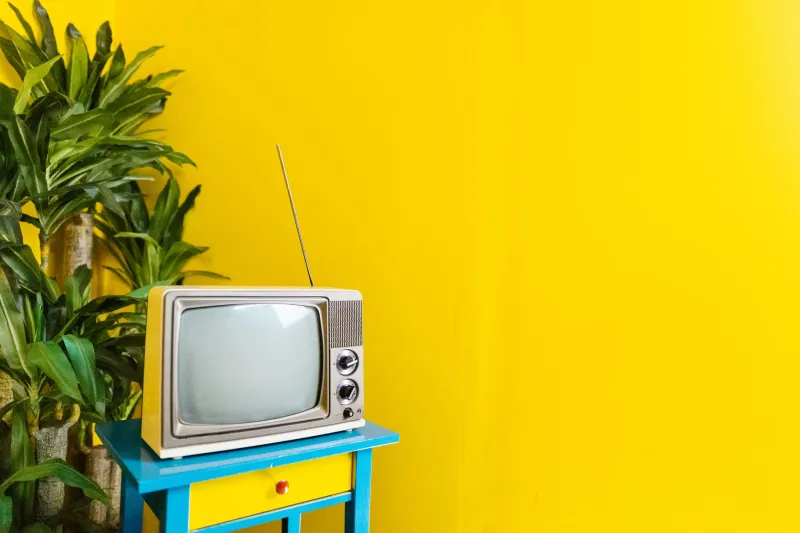
There is a particular kind of American childhood memory that smells like cereal and sounds like a tinny voice coming through a boxy television. For a certain generation, that voice belonged to a small robot boy with jet boots and a heart big enough to short-circuit the room. Astro Boy did not sneak into US pop culture through a boutique art-house release. He arrived through syndication, packaged for local stations, dubbed into English, and aimed squarely at kids who had never heard the word anime.
That 1963 English-language rollout is worth revisiting now, not because it was perfect, but because it was formative. It shows how a Japanese landmark got translated into an American ritual, and it explains why so many collectors still hunt down scratchy prints and old merchandise with the same intensity they bring to vintage comic books.
A Robot Arrives by Way of Saturday Morning
The original Astro Boy television series debuted in Japan in 1963, and its American life began almost immediately through syndication handled by NBC Enterprises. This was not the streaming era. There was no global simulcast, no subtitle track, no fan wiki to explain what had been cut. Local stations bought packages, scheduled the episodes where they fit, and kids met Astro Boy in the same loose, unpredictable way they met other cartoon imports.
That context matters. Astro Boy was not yet a legend in the United States. He was a curiosity with a great design. The show mixed Tezuka's clean, expressive character work with limited animation and a premise that could swing from slapstick to genuine melancholy in a single episode. American kids did not need to know that they were watching one of the earliest Japanese animated series to make a sustained impression in the US. They just knew the robot boy was cool, and a little sad, and somehow more human than half the adults around him.
The Dub as a Translation, Not a Copy
The 1963 English dub was an adaptation in the old broadcast sense. Names were adjusted for American ears. Atom became Astro Boy, and supporting characters were often rechristened. Dr. Tenma, the scientist whose grief sets the story in motion, was generally rendered as Dr. Boynton in the English version. Episodes were trimmed. Violence was softened. Exposition was added where a station buyer or a parent might have wanted clarity. The result was not a pristine copy of Tezuka's manga or even a faithful mirror of the Japanese broadcast. It was a working translation built for a specific market at a specific moment.
For purists, that is the start of a complaint. For historians, it is the interesting part. The dub tells us what American programmers thought a robot hero could be in 1963. It also tells us what they thought kids could handle. The edges were sanded down, but the core remained: a robot built to replace a lost son, a hero who chooses kindness, and a world where machines and humans keep failing each other in recognizable ways.
What Was Gained
The biggest gain was access. Astro Boy reached kids who would never have encountered Tezuka's manga in a drugstore spinner rack. The English dub gave the character a voice, a tempo, and a Saturday morning identity. It helped establish the visual grammar of the robot hero in the United States: the rounded silhouette, the rocket feet, the earnest expression, the willingness to fly into danger for people who did not always deserve it.
It also served as a gateway. Long before Speed Racer, before Voltron, before the anime boom of the 1990s, Astro Boy was already proving that Japanese animation could hold an American kid's attention. The dub was not a museum piece. It was a functioning door.
What Was Lost
What was lost is harder to pin down because it varies by episode and by station print. Some of Tezuka's darker material was softened. Cultural references were flattened. The ordering could be chaotic, which made serialized development feel more episodic than it was. And the English scripts sometimes pushed the show toward a simpler good-versus-evil read than the source material supported.
Still, the loss was not total. Even in a trimmed, renamed form, Astro Boy carried a strange emotional charge. The show kept the idea that a robot could be a child, and that a child could be treated as property, and that both of those things were wrong. That is a lot for a Saturday morning cartoon to smuggle past the commercials.
Why Collectors Still Care
The 1963 dub has become a grail for a certain kind of collector because it is not cleanly enshrined. Legal streaming availability has been spotty over the years, and the English dub is a patchwork of syndication prints, home-video releases, and fan recordings. In 2026, chasing the original broadcast experience is less about owning a definitive box set and more about assembling evidence. Which episodes survived? Which names stuck? Which cuts were local and which were baked into the package?
That hunt appeals to the same instinct that drives comic collectors. You are not just buying a tape or a disc. You are buying a version of the past that was never meant to be permanent. The dub was disposable television, and disposable television becomes precious when it turns out to have shaped a generation.
A 2026 Way In
New readers should not treat the 1963 dub as the definitive Astro Boy. The manga is the richer text, and the later adaptations have their own virtues. But the dub is still a useful doorway. Watch an episode after reading a story arc and you can feel the translation pressure: what got kept, what got cut, what got explained away. For collectors, it is a reminder that preservation is not only about fancy restorations. Sometimes it is about respecting the messy version that actually reached people.
Astro Boy's American Saturday morning was not a pure transmission of Tezuka's vision. It was a handshake between a Japanese studio and a US syndication market, and like most handshakes, it left both sides slightly changed. That is exactly why it still matters.