The Quiet Fix: Why Astro Boy’s Tiniest Repairs Matter More Than His Biggest Fights
Ask a longtime Astro Boy fan about the moments that stuck, and you will hear about battles, sure. You will also hear about a toy being fixed. A child being listened to. A robot choosing not to escalate. The biggest fights make the trailers, but the smallest repairs make the fan.
That is not nostalgia talking. It is a practical argument for how new US viewers should approach the series in 2026. If you are Astro Boy curious, do not start with the most famous robot-vs-robot showdown. Start with the quiet installments. They are the best entry point because they show what the character is for.
The Case Against Starting With the Biggest Fight
There is a temptation, especially in fandom, to hand newcomers the biggest arc first. It is the highlight reel approach: here is the epic battle, here is the iconic villain, here is the moment everyone references. That can work for a movie. For a long-running series, it can feel like being dropped into a family reunion and handed a scorecard.
Astro Boy’s repair-shop stories ask less of a new viewer. They do not require a lore spreadsheet. They usually set up a simple problem: something is broken, someone is frightened, a community is hurting. Astro shows up, pays attention, and fixes what he can. The stakes are personal rather than planetary. That makes them ideal for sampling one episode on a weeknight, especially for US viewers who are used to picking a show by vibe rather than by continuity homework.
Why a Fixed Toy Beats a Smashed Robot
Repair is not a side theme in Astro Boy. It is close to the character’s origin. He is a robot boy built in the shape of a lost child, which means care, grief, and maintenance are baked into him. When he fixes a toy or comforts a kid, the story is not drifting away from the main premise. It is circling the premise at a smaller scale.
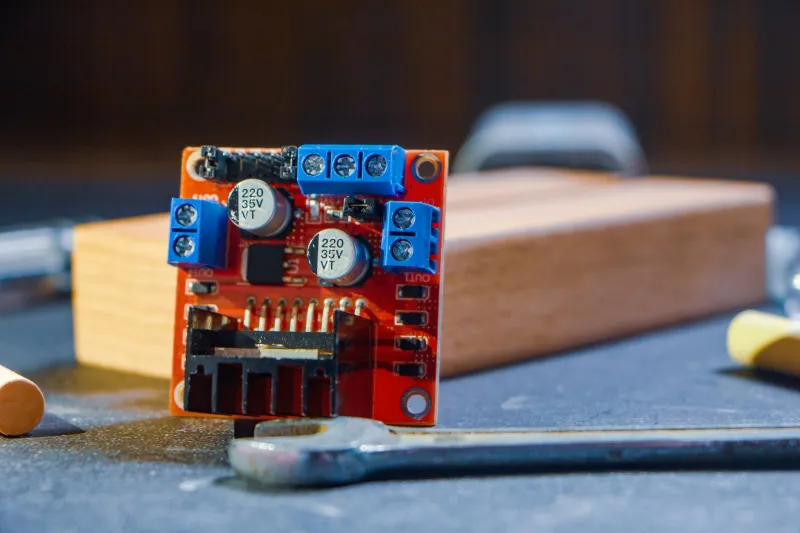
The repair-shop episode is also a useful corrective to the idea that robot stories are only about power. A robot that can punch through a wall is easy to market. A robot that can sit with a child and repair a broken plaything is harder to put on a poster, but it is more revealing. It asks what strength is for. In a US culture still obsessed with disruption and scale, that is a genuinely countercultural question. Sometimes the heroic move is not a bigger weapon. Sometimes it is a screwdriver, patience, and the decision to stop shouting.
This is where Astro Boy connects to modern conversations about robot care. Right-to-repair debates, community repair cafés, library maker spaces, and the growing unease about disposable electronics all ask a version of the same thing: what do we owe the objects and creatures that depend on us? Astro Boy does not need to be a policy essay to be relevant. The low-stakes episodes dramatize the ethic. Care is a practice, not a slogan.
An Entry Point for 2026
For a new US viewer in 2026, the sensible path is to watch one quiet episode before committing to a major arc. Look for the installments where the problem is small enough to fit in a living room. A toy repair. A frightened child. A neighbor in trouble. A misunderstanding that can be solved by listening. Those episodes are not filler. They are the show’s thesis in miniature.
They also travel well. A story about comforting a child does not need a dated villain or a deep cut from 1960s broadcast history. It does not require you to know which dub you are watching or which manga chapter came first. It just needs you to recognize the feeling. That makes these episodes a good on-ramp for parents watching with kids, for fans who came in through the 2003 series, and for collectors who mostly know Astro Boy from merchandise and want to understand the character underneath the toy.
Availability matters, of course. Streaming rights shift, and US viewers may need to check official platforms, library DVD sets, or licensed home-video releases. The point is not the delivery method. The point is the order of approach. Sample the quiet fix first. Then go watch the big fight. You will understand why the fight matters more when you have seen what Astro is trying to protect.
The Nostalgia Trap and the Repair Shop Cure
Nostalgia can turn a fandom into a museum. Everything is behind glass: the old dub, the old toy, the old Saturday morning. Repair-shop stories push the other way. They are about maintenance, not display. They ask what you are willing to keep working.
That is a good ethic for collectors, too. A vintage Astro Boy toy is not just an asset to keep in a box. It is a small object that once made someone happy. Cleaning it, documenting it, replacing a missing part, and passing on its history are all acts of care. The same goes for fan sites, scans, and old recordings. Preservation is repair at a larger scale.
So yes, the big robot battles are thrilling. They are part of the appeal. But if you want to know why Astro Boy has lasted, do not start with the loudest episode. Start with the smallest repair. In 2026, that is the best way to meet the character—and the best way to understand why so many US fans never really let him go.