Blue Is a Commitment: Keeping Astro Boy Bright Without Hiding Him Away

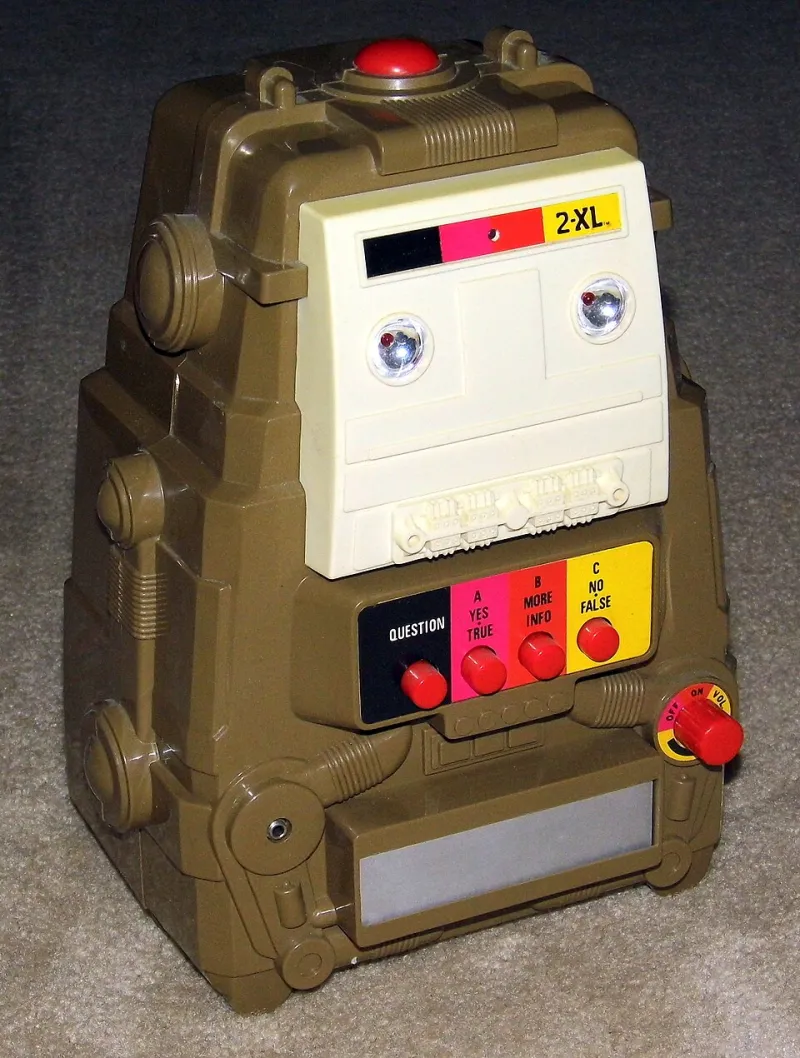
Photo: vintage tin robot toys in acrylic display case with soft LED lighting, via snaptik.app
There is a particular kind of heartbreak reserved for collectors: you pull a vintage Astro Boy off the shelf and notice that the left arm is no longer the blue you remember. It is powder-blue now, maybe a little gray at the shoulder, and the blame is not mysterious. Sunlight, heat, humidity, and a well-meaning display have been working on it for years. The good news for 2026 is that preservation does not require hiding your collection in a dark closet. It requires a few boring decisions made early and repeated often.
Start With the Light, Not the Case
Before you buy another acrylic box, walk the room at different times of day. A shelf that looks dim at 9 a.m. can be taking direct afternoon sun at 4 p.m. Ultraviolet light gets the reputation, but visible light and heat do plenty of damage too. Fading is cumulative, which means every sunny Saturday counts.
Move the display to an interior wall when you can. Add a curtain, blind, or UV-filtering window film to the glass that feeds the room. Keep direct sun off the shelf entirely, and rotate pieces every few months so one side of a figure is not always catching the light. LED lamps are cooler than old incandescent bulbs, but they are not invisible. Use them for viewing, not for baking a permanent tan into your tin toys.
A simple test: if you need sunglasses to read the spines of your manga, your Astro Boy shelf is getting too much light.
A Display Case Should Breathe, Not Bake
Acrylic cases are a collector’s best friend when they are used correctly. Choose UV-filtering acrylic where possible, leave a little clearance around painted surfaces, and do not seal a damp item inside. A case traps dust, not climate. If the room swings from humid to dry, the case will swing with it.
Dust with a soft brush or a clean microfiber cloth before anything else. Skip paper towels, kitchen sprays, and anything that promises a showroom shine. For die-cast and tin, a conservation-grade microcrystalline wax used sparingly can slow oxidation, but test it on a hidden spot and do not turn a patina into a polish project.
Humidity Is the Quiet Villain
Tin litho and die-cast are metal at heart, and metal loves moisture. Rust blooms in basements, near exterior walls, and anywhere the air conditioner is losing the fight. Aim for a stable 40–50% relative humidity. A cheap hygrometer is one of the most useful tools in this hobby, and a small dehumidifier is cheaper than replacing a rusted robot.
Do not store tin toys on a concrete floor. Put shelves on risers, keep pieces away from kitchen and bathroom moisture, and use rechargeable silica gel in closed storage bins. Recharge the silica when the indicator changes; stale silica is just decoration. Wear clean cotton gloves when handling bare metal or litho, and skip the urge to oil joints unless you know exactly what the oil will do to paint over time.
Paper Needs Its Own Rules
Boxes, manga, fanzines, stickers, and catalogs are not metal, but they have their own enemies: acid, pressure, heat, and tape. Store paper in acid-free sleeves and boxes. Lay flat when possible. Do not stack heavy volumes on soft covers. Remove rubber bands and rusty staples from ephemera, and never use household tape for repairs.
If you display a boxed figure, keep the box in archival storage rather than on a sunny shelf. The box is part of the object now, and crushed corners are expensive. Avoid attics and garages for long-term paper storage. A cool, dry closet beats a heroic-looking shelf every time.
Plastic, Paint, and the Yellowing Problem
Model kits and vinyl figures yellow when UV and heat get involved. Keep them out of hot cars, attics, and garages that turn into ovens in July. If you use a clear topcoat, test it on a spare part first. Retr0bright-style treatments are not a casual weekend craft; they can change texture and leave you with a different kind of regret. Slight yellowing is honest wear. A melted kit is a tragedy.
Before and After: Three Fixes That Cost Less Than a Grail
A collector in Chicago moved a window-shelf Astro Boy lineup to an interior wall, added UV film, and rotated the pieces quarterly. The faded left arms did not come back, but the fading stopped.
A basement tin toy display sat on a concrete-adjacent board and developed rust speckles. Raising the shelf, adding a hygrometer, and running a small dehumidifier kept the next pieces dry.
A stack of manga in a garage was fine until summer. Bookends, a shaded bookcase, and acid-free boxes saved the spines. None of these fixes are glamorous. All of them work.
A Room-by-Room Checklist
- Living room: keep direct sun off the shelf, use UV film, rotate figures, and dust with a soft brush.
- Office: avoid heat vents and monitor exhaust, keep cables away from painted pieces, and use a closed display for loose parts.
- Bedroom: stable temperatures help, but windowsills are not display space.
- Basement: dehumidify, measure humidity, keep shelves off the floor, and inspect metal every season.
- Storage: use acid-free boxes for paper, recharge silica, label contents, and keep everything out of attics and garages.
Keep It Visible, Keep It Honest
A collection you cannot see is a collection you stop enjoying. The goal is not a museum vault; it is a shelf that survives being looked at. Photograph your setup, note what is displayed where, and check the room after a heat wave or a rainy week. Handle pieces with clean hands, accept a little patina, and protect the parts that matter most. Astro Boy’s blue core is not just a design choice. It is a promise. Keep it blue by making a few unglamorous choices in 2026.