Static Heroes: Watching Gigantor and 8th Man Beside Astro Boy in 2026

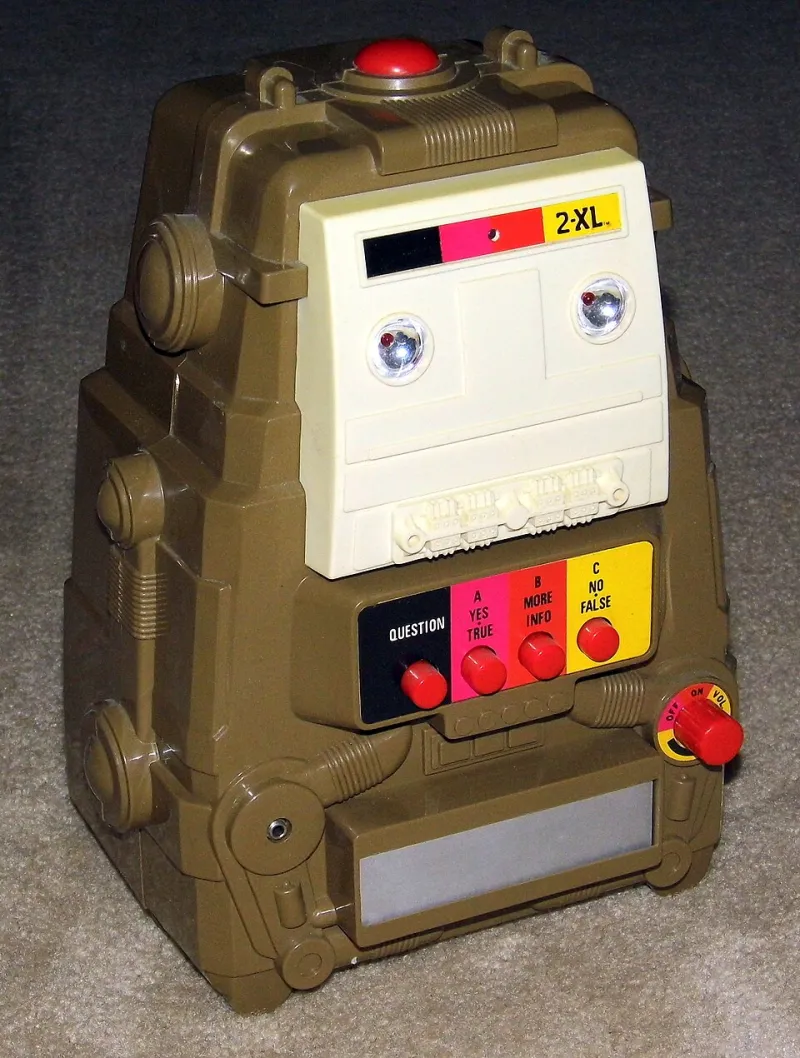
Photo: Steve Shook from Moscow, Idaho, USA, CC BY 2.0, via Wikimedia Commons
Every fandom has a founding myth, and Astro Boy's is tidy: a boy robot, a big heart, a future that looked suspiciously like a suburban kitchen with a jetpack. But if you grew up in the US during the 1960s, the robot on your TV wasn't always the one with the spiky hair and the red boots. Depending on your local station, your antenna, and the weather, you might have met a towering remote-controlled giant or a chain-smoking detective who happened to be a robot in a trench coat. Those shows are not footnotes. They're the neighborhood.
The Dial Was Crowded
Astro Boy's early US run gets most of the ink, and rightly so—it proved that Japanese animation could travel. But it traveled in company. Gigantor (adapted from Tetsujin 28-go) hit US syndication in the mid-1960s, and 8th Man followed close behind. Both arrived in the same blunt, black-and-white package: cheap prints, dramatic narration, and dubbing that treated lip-sync as a suggestion.
For a kid flipping through UHF channels, the differences were immediate. Astro Boy was sleek and melancholy. Gigantor was a lumbering tank with a boy at the controls. 8th Man was a noir fever dream with a robot cop and a cigarette habit. Same era, same airwaves, wildly different moods.
Gigantor: The Big, Loud Cousin
Gigantor is the easiest sell for modern viewers. The premise is pure playground logic: a giant robot, built by a scientist, controlled by a kid named Jimmy Sparks with a remote. When something needs smashing, Gigantor smashes it. The animation is limited, the plots are simple, and the theme song is a glorious slab of march-time bombast.
What makes it interesting now is the contrast. Astro Boy is a character who thinks and feels; Gigantor is a machine that obeys. That gap is not a flaw. It's a window into how 1960s audiences imagined robots—sometimes as pals, sometimes as power tools. Watching Gigantor next to Astro Boy is like watching two different answers to the same question: what if we built something stronger than us?
The US dub is also a time capsule. Names were changed, backstories were sanded down, and the whole thing was pitched as an adventure serial. If you're a purist, that's a problem. If you're a collector, it's the point. The American Gigantor is its own artifact.
8th Man: The Weird One
8th Man is the harder sell, which is exactly why it's worth your time. The show follows a murdered detective whose consciousness is transferred into a robot body. He fights crime, changes his face, and occasionally smokes a cigarette in a way that would never clear a modern standards department. The tone is darker than Astro Boy, and the dubbing is rougher. Episodes feel like they were assembled from leftover noir scripts and a fever.
That roughness is the appeal. 8th Man doesn't have Astro Boy's emotional polish or Gigantor's Saturday-morning clarity. It has atmosphere. The black-and-white prints, the stiff animation, the odd pauses in the dialogue—it plays like a late-night broadcast from a parallel dimension. For fans who have worn out their Astro Boy discs, it's a reminder that the 1960s robot boom was not a single style. It was a scramble.
A 2026 Watchlist
You don't need a complete run to get the flavor. Start with a handful of episodes and treat them like a tasting flight.
- Astro Boy (1963): "The Birth of Astro Boy" and any episode with a robot-rights argument. This is the baseline.
- Gigantor: Find a episode where Jimmy actually has to solve a problem instead of just yelling. They exist. The show is better when the kid is scared.
- 8th Man: Watch the first episode dubbed, then one later episode. The inconsistency is the experience.
Where to find them in 2026 is the usual scavenger hunt. Some episodes circulate on official streaming platforms, some on budget DVDs, some only through fan archives that appear and vanish. Check your library's interlibrary loan before you pay collector prices for a disc with a scratched label. And if a listing says "remastered" without naming the source, assume it's a dub of a dub.
The Collector's Corner
Merchandise for these shows is thin compared to Astro Boy, and that's part of the appeal. Gigantor had a respectable run of vintage toys and comics in the US—tin litho robots, plastic wind-ups, comic adaptations—and those pieces turn up at estate sales and regional toy shows. Condition matters more than completeness. A Gigantor tin toy with faded paint and a dented chest still tells a better story than a reproduction in a sealed box.
8th Man is the real challenge. US merchandise is scarce, and much of what exists is paper: comic books, promotional stills, maybe a puzzle. If you find a piece with a US distributor's name on it, photograph it before you clean it. That paper trail is the provenance.
My advice for 2026: don't chase a full set. Pick one object that represents the show's tone—a Gigantor wind-up with a chipped dome, a battered 8th Man comic with a coffee ring on the cover. Display it next to your Astro Boy shelf and let the contrast do the talking. The robot boom wasn't a single hero. It was a chorus, and the weird voices are the ones you remember.
Why Bother Now
Because the 1960s robot boom is the origin story of everything we argue about today. Astro Boy gave us the robot with a soul. Gigantor gave us the robot as a weapon. 8th Man gave us the robot as a haunted detective. Those three ideas are still fighting it out in every AI story, every superhero movie, every toy aisle.
Watching them side by side is not nostalgia. It's a crash course in how fandom learned to love machines. And in 2026, with a dozen streaming services and a thousand robot shows, there's something grounding about a scratchy print, a bad dub, and a giant metal fist. The signal is weak. The company is good.