The Spare-Part Handshake: 3D Printing, Astro Boy Restoration, and the 2026 Shelf Economy
Photo: Joe Haupt, CC BY-SA 2.0, via Wikimedia Commons
On a Saturday morning in 2026, a collector in Ohio can do something that would have felt like science fiction a decade ago: measure a cracked Astro Boy hand, pull a file from a hobbyist archive, print a replacement in resin, and have the little robot standing upright again by dinner. No donor toy sacrificed. No eBay saved search running for months. Just a spare-part handshake between a vintage shelf and a modern machine.
That handshake is changing the US collector market in quiet ways. It is also creating a new set of arguments about originality, disclosure, and what counts as a rescue versus a rewrite. Here at Astro Boy Central, we are not here to declare a winner. We are here to explain the rules as they are being written.
Why a Missing Fin Became a Whole Hobby
Astro Boy toys have always been vulnerable to the same problems as any vintage robot: thin fins, small hands, brittle antennae, display stands that snap at the peg, and decals that dry out and flake. A 1960s tin toy might survive decades on a shelf only to lose a rocket fin in one clumsy move. A model kit from the 2000s might be complete except for a tiny wrist joint that vanished into carpet.
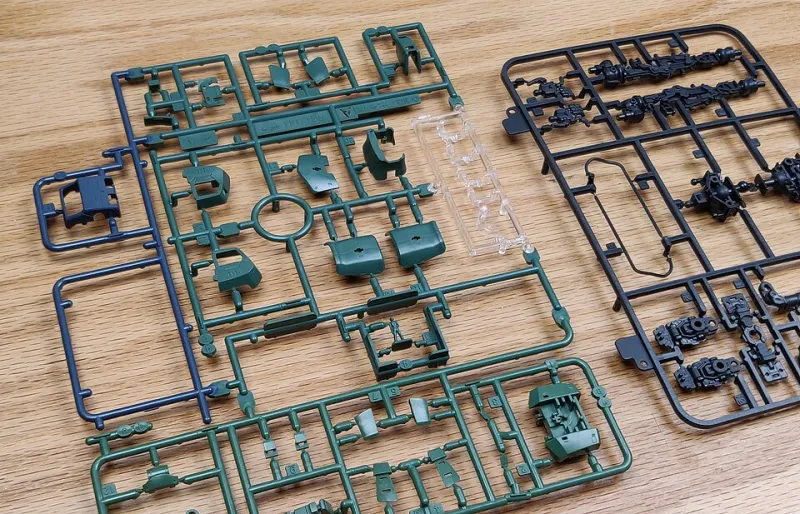
In 2026, 3D printing has moved from garage experiment to normal hobby tool. Entry-level resin printers cost less than a decent vintage boxed toy. Public libraries and makerspaces in US cities offer print time by the hour. Files circulate through collector forums, maker repositories, and fan groups. The result is a spare-parts culture that sits somewhere between model railroading, antique restoration, and weekend tinkering.
The appeal is obvious: a printed fin is faster than a donor hunt. But the deeper shift is economic. When a missing part can be fabricated, the value of an “incomplete” toy changes. Buyers start asking different questions. Sellers start writing different listings. The shelf economy adjusts.
The Ethics of the Fix
This is where the hobby gets interesting. A printed replacement is not automatically a bad thing. Many collectors would rather see a vintage Astro Boy toy standing complete on a shelf than languishing in a box because one small piece is gone. A display stand printed in matching black can keep a fragile figure upright without stressing original joints. A resin hand can restore silhouette and dignity.
But restoration ethics matter. The general rule among careful US collectors is simple: make it reversible, make it visible, and make it honest. Use adhesives that can be undone. Keep the original broken part in a labeled bag. Photograph the toy before and after. If you sell it, say what was printed. A printed fin is not a sin; a printed fin sold as factory-original is a problem.
There is also the question of over-restoration. A toy that has been sanded, repainted, and fitted with printed parts may look great, but it is no longer a reference piece. Serious collectors often want one example that is untouched, even if it is rough, and another that is display-ready. The smart 2026 shelf often has both: the honest survivor and the handsome rescue.
Where Files Come From, and Where They Shouldn’t
Reliable file sources tend to share a few traits. They include print settings, dimensional notes, and photos of test fits. They have version history. They come from makers who actually own the toy and have measured it. Collector forums and dedicated fan groups are often better than generic model sites because someone has already done the annoying work of checking scale and fit.
That said, not every file deserves your printer time. Random uploads with no measurements are a gamble. Files ripped from someone else’s paid model without permission are a hard no. And a file that looks right on screen can be wrong in the hand: too thick at the peg, too thin at the fin, or scaled for a different toy line entirely.
The practical move is to start small. Print a test piece in draft quality. Check the fit before you commit to resin or a long filament print. Measure the original socket, not just the missing part. If you are buying a file, look for a maker who shows the actual toy, not just a render. The US hobby is full of generous archivists, but it is also full of optimistic guesses.
Printing Pitfalls That Separate a Rescue From a Ruin
Material choice matters more than new printers expect. PLA is easy and cheap, but it can be brittle in thin fins and may sag in a hot car or attic. PETG is tougher but fussier. Resin gives crisp detail for hands and small mechanical bits, but it needs curing, ventilation, and care. For a display stand, weight and stability matter more than fine detail. For a rocket fin, flexibility may matter more than a perfect surface.
Scale is the classic trap. A tiny percentage error in a small part becomes a loose peg or a forced fit. Layer lines can show through paint. Thin parts can snap during support removal. Decals add another layer: they are not printed on a filament printer, but scanned artwork and waterslide sheets now circulate alongside printed parts, which means color matching and application skill matter as much as the machine.
Paint is its own rabbit hole. A printed part fresh off the bed rarely matches a vintage toy’s aged plastic or lithographed tin. US collectors often use acrylics, a primer made for plastics, and a satin or matte clear coat. The goal is not to fool a microscope. The goal is to make the repair read correctly from normal shelf distance while still being obvious under close inspection.
What This Does to the 2026 Market
In 2026, listings are starting to reflect the new reality. Sellers describe toys as “complete,” “display-ready,” or “original except printed stand.” Buyers ask whether the fin is factory or fabricated. Parts lots that once sat unwanted now look like raw material. Orphan toys become candidates for rescue rather than permanent residents of the parts bin.
That does not mean printed parts have flattened prices. Original parts still carry a premium, especially for rare tin toys and early character variants. What has changed is the middle ground. A toy with a missing part is no longer automatically a project for only the most patient collector. It can be a weekend fix. That widens the buyer pool, which is good for the hobby, but it also puts pressure on sellers to be transparent.
The spare-parts market is still a handshake market. Reputation travels through forums, swap meets, and collector groups. Someone who prints a clean replacement and labels it honestly gets repeat business. Someone who passes off printed work as original gets remembered.
A Practical Shelf Policy
If you are testing the waters, keep a simple three-label system: original, restored, and display. Original parts stay bagged and photographed. Restored toys get a note in your inventory. Display pieces can be printed, painted, and fitted without pretending otherwise. Print in draft, fit, then finish. Keep file links and receipts. Use reversible adhesives where you can. And remember that a shelf is not a museum—it is a living collection. The point is to keep these robot heroes visible, repairable, and honest about their history.
That is the real 2026 spare-part handshake: a vintage toy, a modern printer, and a collector willing to say exactly what happened in between.